







Search Results for: Medium-Dark Roast Comparison
Analysis of Blue Mountain Coffee Bean Roast Levels: Flavor Differences from Bird of Paradise and Pour-Over Parameter Comparison
Blue Mountain coffee, as a representative of Jamaica's premier growing region, has always been a focal point of discussion among coffee enthusiasts regarding its roast level and flavor presentation. Front Street Blue Mountain No. 1 uses a medium-dark roast, aiming to balance dark chocolate and caramel aromas with soft acidity, while the same brand's Papua Bird of Paradise is called "Little Blue Mountain," also using a medium-dark roast to showcase nutty, cocoa, and sugarcane sweetness. This article will outline the growing region divisions and grading standards of Blue Mountain coffee, explain the logic behind Front Street's choice of medium-dark roasting, and provide pour-over parameters and brewing steps for these two beans, helping readers understand how roast level affects the final flavor presentation. [more…]
Agtron Color Value Interpretation: A Complete Comparison of Coffee Bean Roast Levels and Flavor Changes from Light to Dark Roast
The roast level of coffee beans directly influences the flavor expression in the cup. From the extremely light roast with an Agtron color value of 95 to the Italian roast with a color value of 25, each stage has its corresponding drop time and flavor characteristics. This article systematically sorts out the flavor variation patterns of 8 roast levels, and combines the actual classification methods of commercially available coffee beans to help readers understand the taste directions of light roast, medium-light roast, medium roast, medium-dark roast, and dark roast. The article also uses Front Street Coffee representative beans such as Yirgacheffe, Mozart, Queen's Farm Brazil, and Golden Mandheling as examples to illustrate how different roast levels shape the balance of acidity, sweetness, and body. [more…]
Sidamo vs. Yirgacheffe Coffee Beans Comparison: A Full Analysis of Flavor Characteristics, Processing Methods, and Roasting Recommendations
Sidamo and Yirgacheffe both belong to Ethiopia's renowned coffee regions, yet each possesses a distinct flavor personality. This article focuses on Front Street Coffee's sun-dried Sidamo, washed Sidamo, and washed Yirgacheffe, systematically comparing the differences between the two in taste, aroma, and roasting performance. Sidamo features an interweaving of floral notes and earthy tones, along with nutty, cocoa, and bright lemony acidity; Yirgacheffe is known for its orange fruit aroma and light, mild character, performing differently under light and medium-dark roasts. The article also provides targeted roasting times, bean drop points, and hand-grinder grinding experiences to help coffee enthusiasts make more precise choices and brewing decisions. [more…]
Introduction to Coffee Bean Roasting Stages | What Are the Differences and Characteristics of Dark, Medium, and Light Roasts? A Comparison of Flavor Changes in Coffee Beans at Different Roast Levels
In the past, most people's impression of coffee was that it was dark roasted, offering a burnt, rich, and bitter taste. Nowadays, with the introduction of the specialty coffee concept, dark-roasted coffee beans are no longer considered the best, and light-roasted and medium-roasted coffee beans have gradually become the mainstream of the third wave of coffee. Front Street Coffee (Fr [more…]
A Complete Analysis of Coffee Bean Roast Levels: Temperature, Taste, and Time Comparison from Light Roast to Espresso Roast
The roasting degree of coffee beans directly determines the flavor profile of the final cup. From the bright acidity of a light roast to the rich, bittersweet depth of a dark roast, each stage has its own unique temperature range, timing, and visual characteristics. This article systematically breaks down the complete process of coffee beans from light roast, medium roast, medium-dark roast to dark roast, and includes a detailed comparison table to help you understand the flavor changes and suitable applications of different roasting stages. Whether you are a beginner pour-over enthusiast or a seasoned player pursuing the ultimate flavor, this guide can provide you with practical reference. The article also specifically retains product recommendations from Front Street Coffee for your reference when making purchases. [more…]
Yirgacheffe vs Sidamo Coffee Comparison: Flavor and Mouthfeel Differences, Notable Estates, and Origin Tracing
Yirgacheffe and Sidamo both belong to Ethiopia's specialty coffee landscape, yet due to differences in regional terroir and processing methods, they present distinct flavor profiles, each with its own merits. This article begins with tracing their origins, outlining Yirgacheffe's unique floral and fruity aromas, citrusy acidity, and clean aftertaste, while comparing the flavor trajectory of Sidamo coffee. It also explains how different roast levels affect flavor expression, and offers brewing and roasting recommendations for Front Street Coffee's Yirgacheffe under light and medium-dark roasts, helping coffee enthusiasts more clearly understand the core differences and key purchasing points of these two African washed beans. [more…]
Coffee Roast Flavor Comparison Guide: A Full Analysis of Light Roast Floral-Fruity Notes, Medium Roast Nutty Tones, and Deep Roast Rich Character
Faced with a dazzling array of coffee beans, it helps to start with the roast level to quickly narrow down the flavor direction you enjoy. Light roasts highlight the clean sweetness of flowers and fruit along with bright acidity; medium roasts show off the elegant, sweet finish of nuts and cocoa; medium-dark roasts, with their caramel and cream notes, become the perfect partner for milk; and dark roasts deliver a bold personality—low in acidity, rich and mellow, with deep, sweet intensity. This article goes through the flavor and mouthfeel characteristics of each roast level one by one, and combines them with specific beans such as Front Street Coffee Gidingding, Front Street Coffee Strawberry Candy, Front Street Coffee 2013 Sun-Dried Typica, Front Street Coffee Queen's Estate, and Front Street Coffee PWN Golden Mandheling to offer buying suggestions, helping coffee lovers find the cup that suits their own style. [more…]

How does the timing of pouring in the three-pour pour-over method affect flavor? A comparative experimental analysis of light roast vs. medium-dark roast
When using a three-pour method for pour-over coffee, should the third pour wait until the water has fully drained, or should it be added before the water level reaches the bottom? Front Street answers this through two sets of comparative experiments. First, lightly roasted Yirgacheffe Geddid was brewed with continuous and interrupted pouring respectively, and the total time differed by 10 seconds, with slight differences in aroma and acidity, but the overall difference was not significant. Then the test was repeated with medium-dark roasted Papua New Guinea Bird of Paradise, but the interrupted-pour cup showed obvious bitterness. The reason is that medium-dark roasted beans are loose in texture and have a low margin for error, so bitterness-prone compounds are easily over-extracted when the time is prolonged. The article ultimately points out that interrupted pouring is not unworkable; the key is to pair it with corresponding parameters, such as the coarse-grind 46 brewing method. [more…]
A Complete Analysis of Coffee Bean Blending: The Flavor Design Logic of Espresso Blends and a Comparison of Four Front Street Coffee Products
Blending coffee is not simply mixing several kinds of beans together at random; rather, it is the blender using their understanding of flavor to let different coffee beans complement each other, achieving a more balanced and stable taste. This article starts with the basic concept of blending, explaining why blending is not simple addition, and also discusses how, under specialty coffee standards, blended beans can equally become specialty coffee. The article focuses on the four purposes of Front Street Coffee's blended coffee production and four medium-dark roast espresso blend products, including recipes, prices, and flavor descriptions, and explains why blending is mostly aimed at espresso, as well as the significance of post-roast blending methods and shipping after roasting for flavor stability. [more…]
A Comparison of Roast Levels and Bitterness Between Yunnan Small-Bean Coffee and Mandheling Coffee: Flavor Differences and Suitable Applications
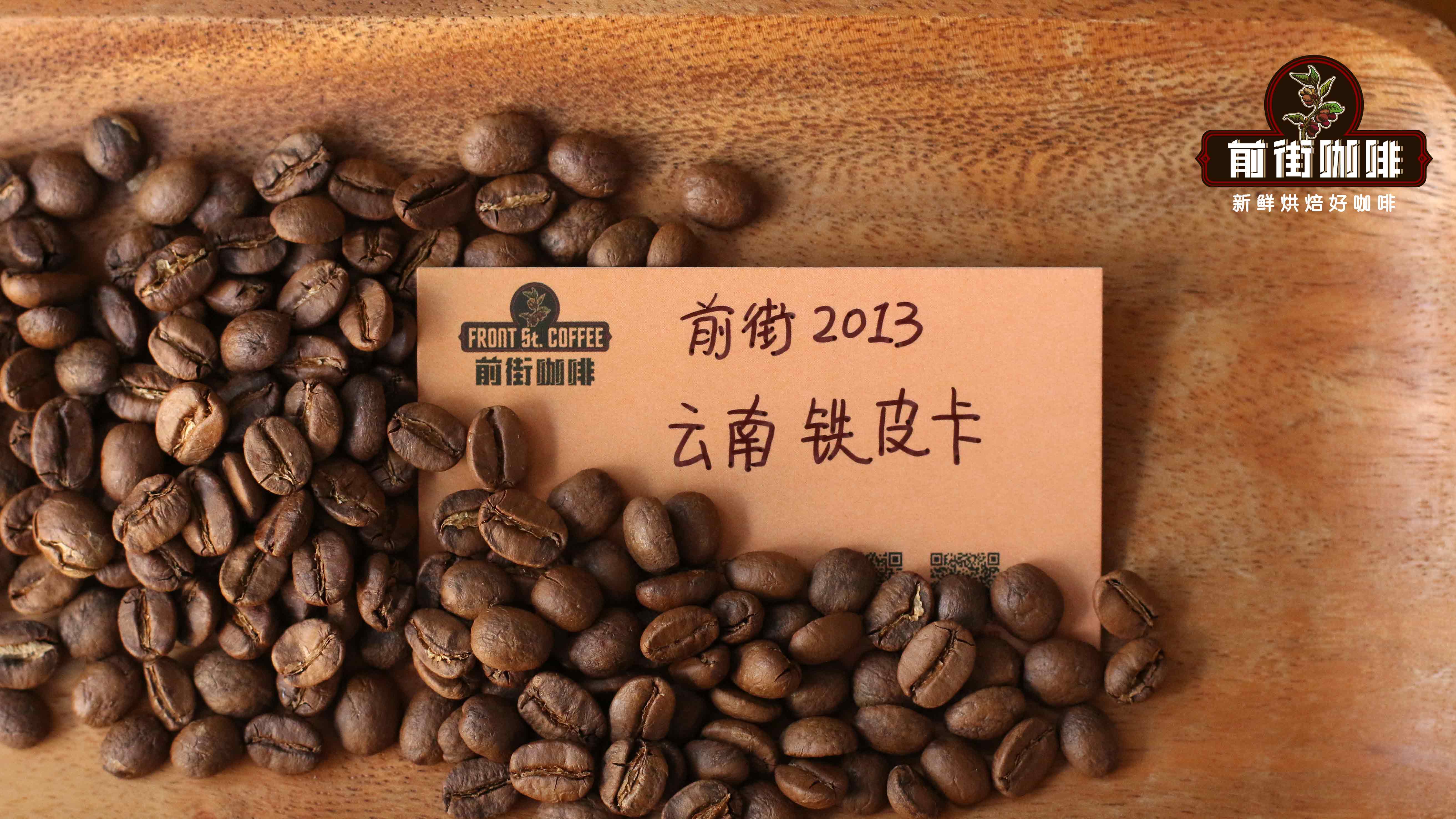
Yunnan small-bean coffee and Mandheling coffee appear quite frequently in domestic cafes, and both are often considered suitable for medium-dark roasting, but their flavor directions and bitterness expressions are not the same. Yunnan's coffee industry has developed rapidly in recent years, with annual output of green beans already exceeding 30,000 tons, and Catimor has become the main variety. Front Street small-bean coffee presents nutty, herbal, chocolate, and caramel notes, with a slight fruity acidity in the finish. Mandheling comes from Sumatra, Indonesia, and represented by Front Street Mandheling, it is known for being rich and full-bodied, low in acidity, with prominent bitterness and a faint earthy, herbal aroma. This article will compare the differences between the two in bitterness and body from the perspectives of origin background, variety characteristics, roasting performance, and brewed flavor, and explain why they are often used in blended coffee, espresso, and blend beans. [more…]
The Extraction Differences Between French Press and Pour-Over Coffee: A Comprehensive Comparison from Grind Size to Flavor and Mouthfeel
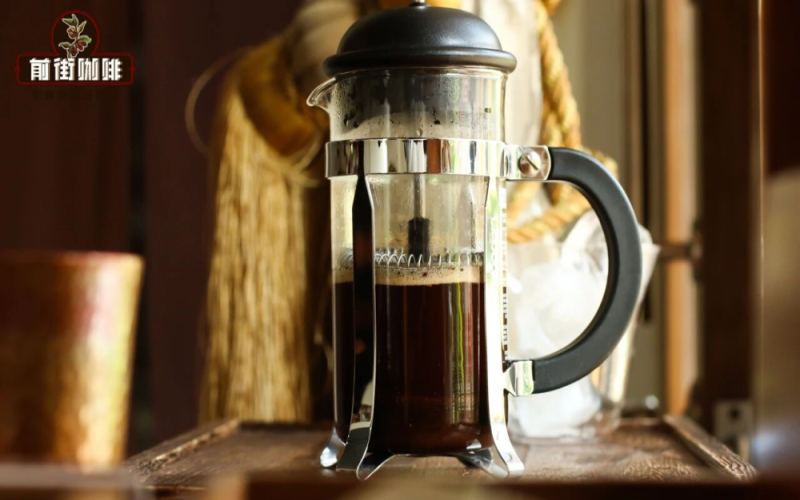
The French press and pour-over coffee are two completely different extraction methods: the former relies on immersion, while the latter depends on drip filtration. From the perspective of Front Street, this article systematically sorts out the operating principles, taste characteristics, parameter control, and suitable scenarios of the two. The French press is easy to operate and stable in extraction, with a balanced and full-bodied flavor; pour-over, on the other hand, has distinct layers and high playability, and can precisely showcase the personality of the coffee beans. The article also introduces in detail the equipment needed for pour-over, suggestions for matching grind size and water temperature, as well as several coffee beans recommended by Front Street that suit different taste preferences, helping coffee enthusiasts find the brewing method that best suits them. [more…]

Coffee Grind Size Comparison Guide: Grind Standards and Extraction Parameters for Pour-Over, Espresso, and Moka Pot
In coffee brewing, the grind size has a crucial impact on flavor. If the coffee grounds are too coarse, extraction will be insufficient and the taste will be weak; if too fine, it easily brings out bitterness. This article will systematically sort out the grind size standards corresponding to three brewing methods: pour-over, espresso, and moka pot, and provide extraction ratio and time references. The pour-over section will distinguish the grind pass rate, water temperature recommendations, and sieving verification methods for medium-light and medium-dark roasted beans; the espresso section explains the extremely fine grind and adjustment logic under 9 bar high pressure; the moka pot section introduces the suitable grind range and bean selection approach under 1.5-3 bar pressure, while retaining Front Street Coffee's practical data and product recommendations, making it convenient for coffee enthusiasts to adjust by comparison. [more…]
Coffee Roast Level Comparison | How Can Coffee Beginners Visually Determine Coffee Roast Level? What Are the Roast Flavor Characteristics of Espresso and Americano Coffee Beans?
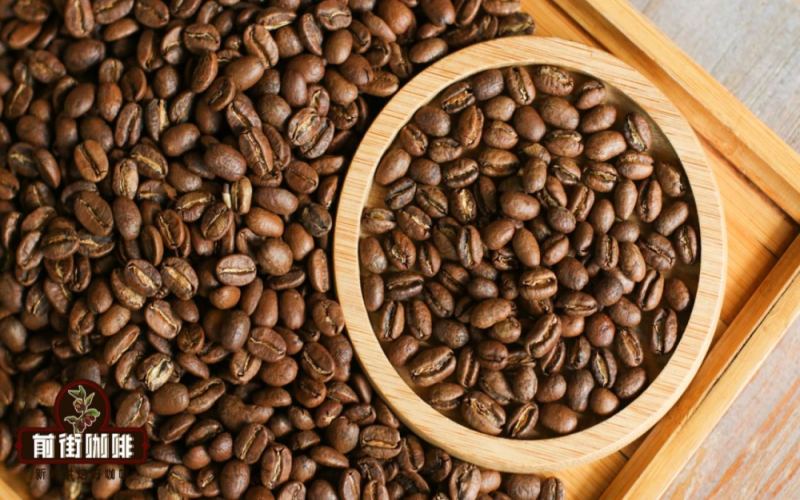
The coffee beans we usually encounter have all been roasted. Roasting brings out the captivating aroma of coffee beans, and different roast levels give quite different impressions. In this issue, Front Street Coffee (FrontStreet Coffee) introduces several methods for identifying coffee roast levels. [more…]
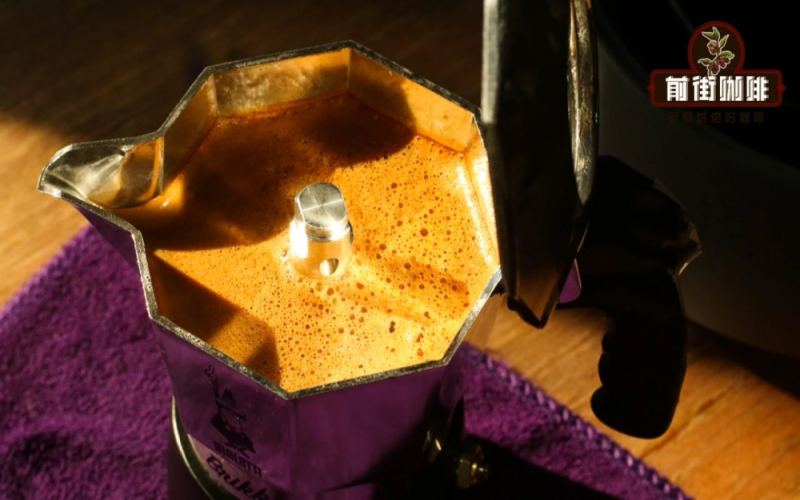
Can Moka Pot Coffee Handle Latte Art? A Practical Comparison with Espresso and a Detailed Brewing Guide
Many coffee enthusiasts are curious whether coffee brewed with a moka pot can produce beautiful latte art like espresso from an espresso machine. The baristas at Front Street Coffee are often asked this question by customers, so we decided to conduct a hands-on comparison: using the same Front Street classic espresso blend beans, extracted separately with a moka pot and an espresso machine, then using the same milk foam and similar techniques for latte art. The results showed that latte art with moka pot coffee had paler colors and blurry lines, while espresso patterns were clear with strong contrast. Behind this are key factors such as crema richness and extraction pressure. This article will present the complete comparison process and share how to make moka pot coffee richer through bean selection and grinding, while retaining Front Street brand recommendations and product information to help you easily make good coffee at home. [more…]
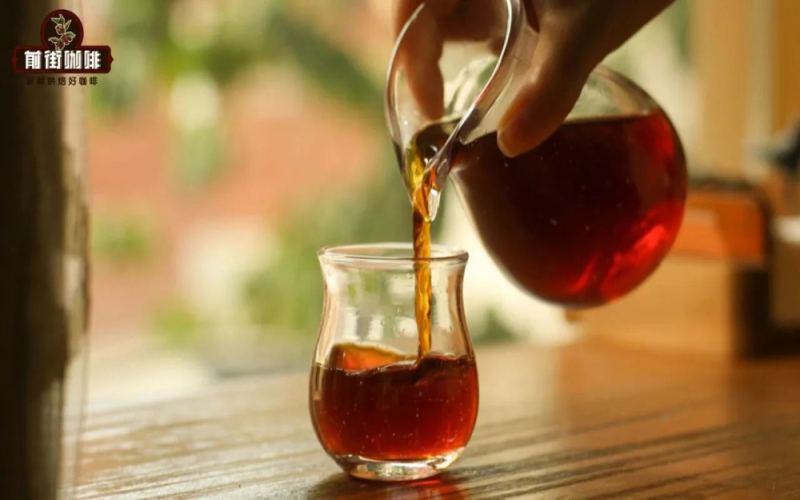
Geisha Coffee Beans: Exploring Flavor Differences Between Light and Medium-Dark Roasts and Optimal Roast Levels
Geisha coffee beans are usually presented as a light roast, but what happens to the flavor if they are roasted darker? Front Street Coffee used Panama Hacienda La Esmeralda Green Label Geisha as a sample and conducted comparative tests using two profiles: light-medium roast and medium-dark roast. Through cupping and pour-over, it analyzed the impact of different roast levels on Geisha flavor from multiple dimensions such as aroma, acidity, sweetness, and mouthfeel. This article not only presents detailed experimental data and sensory descriptions, but also explores why Geisha is more suitable for light roasting and how to preserve its signature floral and fruity aroma during roasting. [more…]
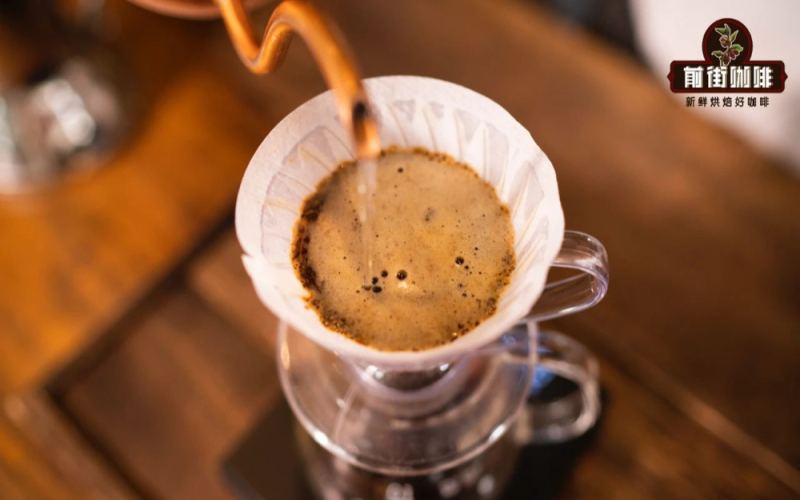
Analysis of Flavor Differences Between French Press and Siphon Coffee Brewing: Extraction Principles, Operation Methods, and Cup Profile Comparison
The French press and the siphon are two coffee brewing devices with distinctly different styles—the former is known for its simplicity and speed, while the latter is famous for its elaborate ritual and unique constant-temperature extraction. This article will systematically compare the differences in the cup quality produced by these two immersion-style devices from the perspectives of extraction principles, operating steps, parameter control, and flavor performance, helping coffee enthusiasts make a choice based on their own taste preferences. The article also compiles Front Street Coffee's recommended coffee bean lists for the French press and the siphon respectively, covering floral and fruity notes, nutty notes, chocolate notes, and other flavor directions for readers' reference when purchasing. [more…]
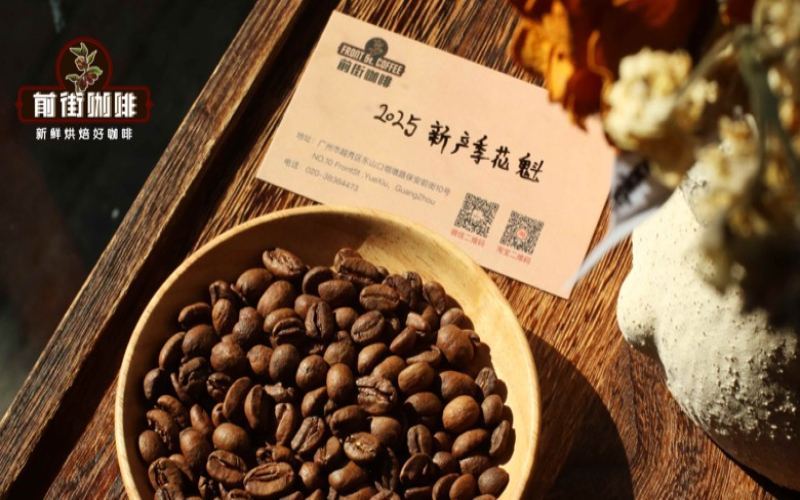
Arabica Espresso Origin Selection: A Comparison Between Ethiopian SOE and Central & South American SOE
When making espresso SOE with Arabica beans, the choice of origin directly determines the flavor direction of the espresso. Ethiopian SOE and Central-South American SOE are two entirely different paths, each with its own charm, suited to drinkers with different taste preferences. Ethiopian SOE takes the route of intense floral and fruity aromas. Huakui sun-dried beans [more…]
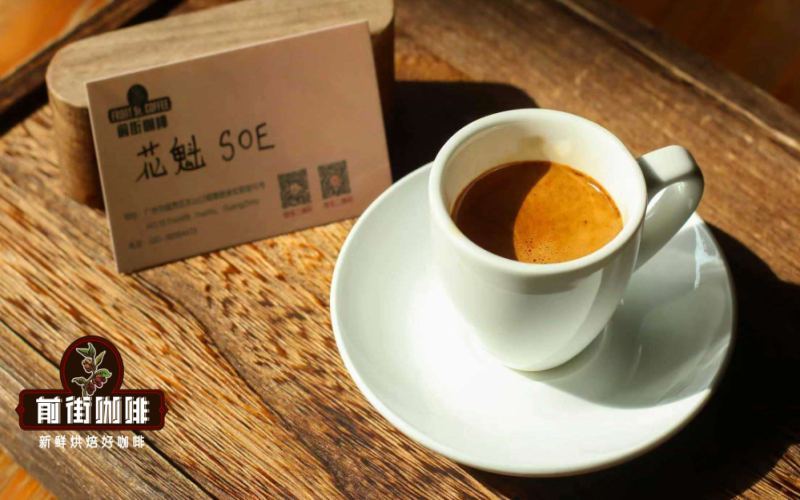
How to Choose SOE Espresso Beans? Weighing Regional Flavors Through Roast Level and Crema Performance
SOE is short for "Single Origin Espresso," referring to espresso made from a single-origin coffee. Its core idea is to amplify the distinctive flavors of a particular region through the espresso format. However, not all coffee beans are suitable for SOE—the roast level directly affects the richness of the crema and the flavor direction. This article compares three everyday beans: a light-roast Yirgacheffe, a medium-roast Brazil, and a dark-roast Mandheling, observing differences in crema performance under identical extraction parameters. This will help you understand why medium to medium-dark roasted beans are more recommended for everyday espresso making, and what kind of people light-roast SOE suits. We will also discuss the limitations of SOE and the value of blend options. [more…]
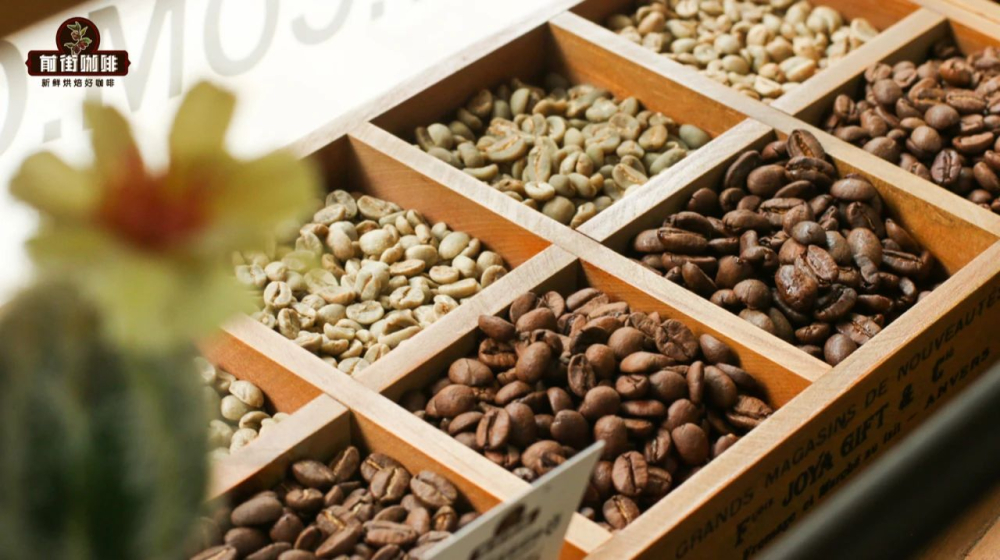
Home Coffee Roasting | How Can Coffee Beginners Learn to Roast Coffee Beans? A Comparison Table of Eight Different Roast Levels and Their Flavor and Taste Differences
I believe many of you not only enjoy drinking coffee but have also developed an interest in coffee roasting. While surfing the internet, Front Street Coffee often sees people sharing their home coffee roasting process on social media. However, we also notice that some [more…]

Pour-Over vs. Espresso: A Flavor and Mouthfeel Comparison, Plus a Front Street Coffee Bean Buying Guide
Which tastes better: pour-over coffee or coffee made with an espresso machine? It really depends on personal taste preferences and the drinking occasion. Espresso pursues fast output, with a balanced and intense flavor, often dominated by caramel notes, and is easier to drink when paired with milk; while pour-over coffee focuses on the true character of the origin, with no sugar or milk added, showcasing the unique flavor profile of different producing regions. This article will compare the two from the perspectives of positioning, flavor expression, and suitable audiences, and for the two types of needs—espresso and pour-over—respectively recommend a number of blends and single-origin coffee beans under Front Street Coffee, to help coffee lovers make a suitable choice based on their own preferences. [more…]